Buy mmoct.eu ?
We are moving the project
mmoct.eu .
Are you interested in purchasing the domain
mmoct.eu ?
domain@kv-gmbh.de · 0541-91531010
Buy mmoct.eu ?
Are walking leaves allowed to eat raspberry leaves?
Walking leaves, also known as leaf insects, are herbivorous and primarily feed on the leaves of certain plants. Raspberry leaves are safe for them to eat and can be a part of their diet. However, it's important to ensure that the raspberry leaves are free from any pesticides or chemicals that could be harmful to the walking leaves. Additionally, it's always a good idea to provide a varied diet for walking leaves to ensure they receive all the necessary nutrients. **
What are fantasy strategy games?
Fantasy strategy games are a genre of video games that combine elements of fantasy and strategy. Players typically take on the role of a leader or commander in a fictional world, where they must make strategic decisions to build and manage their own empire, army, or civilization. These games often involve resource management, tactical combat, and diplomatic relations with other factions or players. Fantasy elements such as magic, mythical creatures, and epic quests are also commonly featured in these games, adding an extra layer of depth and immersion to the gameplay. **
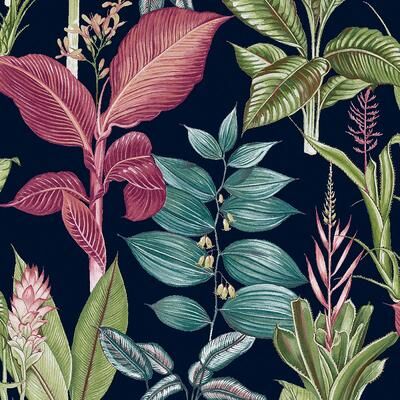

Similar search terms for Leaves
Top-Angebote
Products related to Leaves:
-
SSO Libray Builders Library Builders: Middle Grade Adventure & FantasyThis set includes:Beware the HeartmanThe Crossbow of DestinySecrets of the Sky #1: The Chaos MonsterValor WingsThe Witching Wind Library Builders: Middle Grade Adventure & Fantasy78,99 $*Shipping: 0,00 $Secure redirect to the provider



-
Can tomato leaves and basil leaves touch each other?
Yes, tomato leaves and basil leaves can touch each other without any negative effects. In fact, planting tomatoes and basil together is a common practice in companion gardening as they are believed to benefit each other by repelling pests and enhancing each other's growth. Both plants have different growth habits and do not compete for space or resources, making them suitable companions in the garden. **
-
Do sun leaves or shade leaves have more chlorophyll?
Sun leaves have more chlorophyll compared to shade leaves. This is because sun leaves are exposed to higher light intensity and need more chlorophyll to capture and convert light energy into chemical energy through photosynthesis. Shade leaves, on the other hand, receive less light and therefore have less chlorophyll to optimize their photosynthetic efficiency in low light conditions. **
-
What are sun leaves and shade leaves in biology?
In biology, sun leaves and shade leaves refer to the different types of leaves that plants develop in response to varying light conditions. Sun leaves are typically smaller, thicker, and have a higher density of chlorophyll, which allows them to efficiently capture and utilize the intense sunlight in open, sunny environments. On the other hand, shade leaves are larger, thinner, and have a lower density of chlorophyll, which helps them maximize light capture in low-light, shaded areas. This adaptation allows plants to optimize their photosynthetic efficiency in different light environments. **
-
Are leaves digestible?
Leaves are generally not easily digestible for humans due to their high fiber content and tough cell walls. However, some animals like cows, goats, and insects have specialized digestive systems that allow them to break down and extract nutrients from leaves. In some cultures, certain types of leaves are cooked or processed in specific ways to make them more digestible for human consumption. Overall, the digestibility of leaves varies depending on the species and the digestive capabilities of the organism consuming them. **

Why are sun leaves thicker and smaller than shade leaves?
Sun leaves are thicker and smaller than shade leaves because they need to withstand higher levels of sunlight and heat. The thicker cuticle and higher density of cells in sun leaves help to reduce water loss and protect the leaf from damage caused by intense sunlight. Additionally, the smaller size of sun leaves helps to minimize the surface area exposed to the sun, reducing the risk of overheating and dehydration. In contrast, shade leaves are thinner and larger to maximize their ability to capture available light in low-light conditions. **
Are tomato leaves and basil leaves allowed to touch each other?
It is generally recommended to avoid allowing tomato leaves and basil leaves to touch each other. This is because tomato plants are susceptible to various diseases that can be transmitted through contact with basil plants. Keeping them separate can help prevent the spread of diseases and ensure the health of both plants. **
Top-Angebote
Products related to Leaves:
-
Orion Crooked Kingdom Book by Leigh Bardugo – Fantasy AdventureSix of Crows: Crooked Kingdom by Leigh Bardugo The Grishaverse will be coming to Netflix soon with Shadow and Bone, an original series!*The stunning sequel to SIX OF CROWS, this is GAME OF THRONES meets OCEAN'S ELEVEN in a fantasy epic from the number 1 NEW YORK TIMES bestselling author Leigh Bardugo. Welcome to the world of the Grisha. Kaz Brekker and his crew of deadly outcasts have just pulled off a heist so daring even they didn't think they'd survive. But instead of divvying up a fat reward, they're right back to fighting for their lives. Double-crossed and badly weakened, the crew is low on resources, allies, and hope. As powerful forces from around the world descend on Ketterdam to root out the secrets of the dangerous drug known as jurda parem, old rivals and new enemies emerge to challenge Kaz's cunning and test the team's fragile loyalties. A war will be waged on the city's dark and twisting streets - a battle for revenge and redemption that will decide the fate of the Grisha world. As gripping, sweeping and memorable as the Grisha trilogy - SHADOW AND BONE, SIEGE AND STORM and RUIN AND RISING - this novel is perfect for fans of Sarah J. Maas, Laini Taylor, Kristin Cashore and GAME OF THRONES. Winner of the Teen Choice Book Award for Book of the Year5,04 £*Shipping: 2,99 £Secure redirect to the provider
-
SSO Libray Builders Library Builders: Middle Grade Adventure & FantasyThis set includes:Beware the HeartmanThe Crossbow of DestinySecrets of the Sky #1: The Chaos MonsterValor WingsThe Witching Wind Library Builders: Middle Grade Adventure & Fantasy78,99 $*Shipping: 0,00 $Secure redirect to the provider
-
Are walking leaves allowed to eat raspberry leaves?
Walking leaves, also known as leaf insects, are herbivorous and primarily feed on the leaves of certain plants. Raspberry leaves are safe for them to eat and can be a part of their diet. However, it's important to ensure that the raspberry leaves are free from any pesticides or chemicals that could be harmful to the walking leaves. Additionally, it's always a good idea to provide a varied diet for walking leaves to ensure they receive all the necessary nutrients. **
-
What are fantasy strategy games?
Fantasy strategy games are a genre of video games that combine elements of fantasy and strategy. Players typically take on the role of a leader or commander in a fictional world, where they must make strategic decisions to build and manage their own empire, army, or civilization. These games often involve resource management, tactical combat, and diplomatic relations with other factions or players. Fantasy elements such as magic, mythical creatures, and epic quests are also commonly featured in these games, adding an extra layer of depth and immersion to the gameplay. **
-
Can tomato leaves and basil leaves touch each other?
Yes, tomato leaves and basil leaves can touch each other without any negative effects. In fact, planting tomatoes and basil together is a common practice in companion gardening as they are believed to benefit each other by repelling pests and enhancing each other's growth. Both plants have different growth habits and do not compete for space or resources, making them suitable companions in the garden. **
-
Do sun leaves or shade leaves have more chlorophyll?
Sun leaves have more chlorophyll compared to shade leaves. This is because sun leaves are exposed to higher light intensity and need more chlorophyll to capture and convert light energy into chemical energy through photosynthesis. Shade leaves, on the other hand, receive less light and therefore have less chlorophyll to optimize their photosynthetic efficiency in low light conditions. **
Similar search terms for Leaves
-
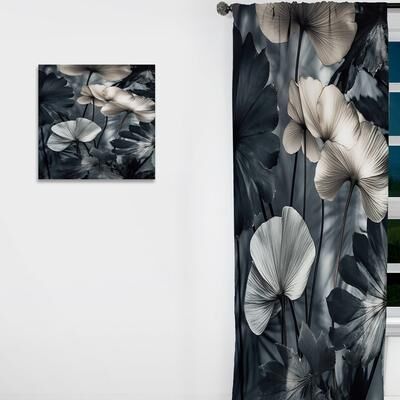
DESIGN ART "Designart ""Tropical Ginkgo Leaves I"" Leaves Curtain - Blackout Floral Curtain - 1 Panel""Bring a breath of fresh air to your windows and spruce up any space in your home with this ""Tropical Ginkgo Leaves I"" Leaves 1 panel curtain. This beautiful Traditional curtain is handmade on demand just for you."75,99 $*Shipping: 0,00 $Secure redirect to the provider
-
DESIGN ART "Designart ""Tropical Ginkgo Leaves I"" Leaves Curtain - Blackout Floral Curtain - 1 Panel""Bring a breath of fresh air to your windows and spruce up any space in your home with this ""Tropical Ginkgo Leaves I"" Leaves 1 panel curtain. This beautiful Traditional curtain is handmade on demand just for you."89,49 $*Shipping: 0,00 $Secure redirect to the provider
-
What are sun leaves and shade leaves in biology?
In biology, sun leaves and shade leaves refer to the different types of leaves that plants develop in response to varying light conditions. Sun leaves are typically smaller, thicker, and have a higher density of chlorophyll, which allows them to efficiently capture and utilize the intense sunlight in open, sunny environments. On the other hand, shade leaves are larger, thinner, and have a lower density of chlorophyll, which helps them maximize light capture in low-light, shaded areas. This adaptation allows plants to optimize their photosynthetic efficiency in different light environments. **
-
Are leaves digestible?
Leaves are generally not easily digestible for humans due to their high fiber content and tough cell walls. However, some animals like cows, goats, and insects have specialized digestive systems that allow them to break down and extract nutrients from leaves. In some cultures, certain types of leaves are cooked or processed in specific ways to make them more digestible for human consumption. Overall, the digestibility of leaves varies depending on the species and the digestive capabilities of the organism consuming them. **
-
Why are sun leaves thicker and smaller than shade leaves?
Sun leaves are thicker and smaller than shade leaves because they need to withstand higher levels of sunlight and heat. The thicker cuticle and higher density of cells in sun leaves help to reduce water loss and protect the leaf from damage caused by intense sunlight. Additionally, the smaller size of sun leaves helps to minimize the surface area exposed to the sun, reducing the risk of overheating and dehydration. In contrast, shade leaves are thinner and larger to maximize their ability to capture available light in low-light conditions. **
-
Are tomato leaves and basil leaves allowed to touch each other?
It is generally recommended to avoid allowing tomato leaves and basil leaves to touch each other. This is because tomato plants are susceptible to various diseases that can be transmitted through contact with basil plants. Keeping them separate can help prevent the spread of diseases and ensure the health of both plants. **
* All prices are inclusive of VAT and, if applicable, plus shipping costs. The offer information is based on the details provided by the respective shop and is updated through automated processes. Real-time updates do not occur, so deviations can occur in individual cases. ** Note: Parts of this content were created by AI.